We believe that lasting global stability begins with connection, cooperation, and shared purpose.
Our platform explores how forward-thinking policies can bridge divides and bind nations closer together. Through in-depth analysis, case studies, and policy discussions, we examine:
- Economic Interdependence: How bilateral trade, shared infrastructure, and joint investments create mutual incentives for stability.
- Diplomatic Frameworks: Modern treaties, cross-border alliances, and multilateral institutions designed to resolve conflicts before they escalate.
- Cultural & Educational Exchange: Policies that foster international dialogue, shared research, and grassroots understanding.
Join us as we explore the ideas, frameworks, and global initiatives turning the vision of an interconnected, peaceful world into reality.
Latest Articles


How Trade Promotes Peace
The idea that trade promotes peace is old, persuasive and easy to oversimplify. Countries that buy from each other, sell to each other and invest in each other have more to lose when political disputes become military ones. War can destroy factories, interrupt shipping, close financial markets, strand investments and remove customers. Trade therefore changes the economic calculation surrounding conflict by making peaceful relations financially valuable to governments, companies, workers and consumers.
This does not mean two countries become friends because they exchange cars, oil or computer chips. History provides plenty of cases where heavily connected economies remained political rivals, and the high level of international economic integration before the First World War clearly failed to stop the outbreak of war in 1914. Research on commercial peace therefore treats trade as one influence among many rather than a vaccine against conflict.
The stronger argument is that commerce can make conflict more expensive, create groups with a direct interest in stable relations, encourage repeated diplomatic contact and provide rules for settling economic disputes without force. The World Trade Organization now operates a formal Trade for Peace Programme built around the role of trade and economic integration in supporting stability, particularly in fragile and conflict-affected economies.
Peace also promotes trade, making causality difficult to untangle. Countries trade more easily when borders are secure, contracts are enforceable and firms expect normal commercial relations to continue. Trade can support peace, and peace can support trade. That circular relationship is one reason serious research is more cautious than slogans such as “countries that trade do not fight.”
Trade Raises The Economic Cost Of Conflict
The most direct mechanism is opportunity cost. If two countries barely trade, a breakdown in relations may cause relatively little commercial damage. If their businesses, consumers and supply chains depend heavily on each other, military conflict destroys economic relationships that may have taken decades to build.
Suppose Country A sells £20 billion of machinery, pharmaceuticals and services to Country B each year while importing £15 billion of components and agricultural products. A military confrontation threatens not only government spending and physical infrastructure but £35 billion of annual commerce. Companies lose customers, factories lose inputs, workers lose jobs and households face higher prices. The economic bill for hostility rises before a shot is fired.
This does not make conflict impossible. Governments sometimes accept enormous economic costs when leaders believe security, territory, ideology or political survival matters more. Trade changes the cost calculation; it does not determine the final answer. Research published in International Organization has found evidence that economic interdependence can contribute to peace, while also arguing that the relationship involves more than the simple threat of lost exports.
Capital relationships can increase those costs further. A country may not only export goods to another market but also depend on foreign investors, banking relationships, multinational subsidiaries and access to international capital. Breaking those links can raise borrowing costs and reduce investment long after the original political dispute has ended. This wider form of economic interdependence can therefore give governments another reason to maintain channels short of military confrontation.
Trade Creates Domestic Groups That Prefer Stability
International trade creates winners and losers inside countries, but it also creates businesses and workers whose income depends directly on maintaining economic relations abroad. Exporters want access to customers. Importers want reliable suppliers. Shipping companies want open ports. Airlines want functioning routes. Banks want payments to settle. Manufacturers want components to cross borders without political interruptions.
These interests can become domestic constituencies for stable foreign relations. A government considering a serious confrontation may face lobbying from companies that know exactly what a trade breakdown would cost. The pressure is not idealistic. A manufacturer rarely argues for peace because international relations theory says it should. It argues because a closed border could stop production on Monday morning.
This mechanism becomes stronger where trade is spread across many sectors rather than concentrated in one politically protected industry. Research on intra-industry trade, where countries exchange similar manufactured products, has found an association with lower conflict propensity in some historical samples. One possible reason is that integrated commercial relationships create broader groups with something to lose from confrontation.
Workers can become part of the same calculation. An export factory employing 10,000 people is also 10,000 households whose incomes depend partly on foreign demand. Governments still make strategic decisions for reasons other than employment, but extensive commercial integration makes the domestic economic consequences of hostility more visible and politically costly.
Supply Chains Make Countries Depend On Continued Cooperation
Modern trade is not simply a finished product travelling from one independent economy to another. Production is frequently divided across countries. Components can cross several borders before the final product reaches the customer, while software, financing, insurance and logistics may come from additional jurisdictions.
This creates a form of interdependence that classical trade figures can understate. A country might appear to import £1 billion of finished electronics from a neighbour, while its own manufacturers also rely on £5 billion of components coming from the same economy. Breaking the commercial relationship can therefore hurt domestic producers as well as foreign exporters.
The peace-promoting argument is straightforward. If a political confrontation interrupts a deeply integrated supply chain, both sides can suffer quickly. Businesses understand this and tend to prefer predictable relations even where governments disagree on other matters.
Supply chains can also create communication channels below the diplomatic level. Managers, suppliers, banks and logistics companies maintain repeated contact across borders. These relationships do not solve territorial or security disputes, but they produce a large network of routine cooperation that becomes economically valuable to preserve.
Trade Encourages Repeated Interaction Instead Of One-Off Bargaining
Countries that rarely deal with each other can treat a negotiation as a largely isolated event. Trading partners interact continuously. Customs agencies communicate, ministries negotiate standards, companies sign contracts and governments discuss tariffs, quotas, transport and market access.
Repeated interaction can make reputation more valuable. A government that repeatedly ignores agreements may find future negotiations harder and investment less attractive. Keeping commitments therefore has economic value beyond the current transaction.
This resembles the logic of repeated games in economics. Cooperation can become rational when both sides expect to deal with each other again. A one-time opportunity to gain at another country’s expense has to be weighed against years of future commercial benefits.
The mechanism is not perfect. States can still cheat, impose tariffs or use trade restrictions for political purposes. The importance of repeated interaction is that it gives governments more tools between polite diplomacy and military force. They can negotiate, delay, retaliate commercially, use arbitration or reach a partial compromise without turning every disagreement into a security crisis.
Trade Institutions Give Countries Somewhere To Argue
Trade itself can produce disputes. Countries disagree about subsidies, food standards, tariffs, intellectual property, industrial policy and whether another government is treating domestic producers unfairly. More commerce can therefore create more opportunities for friction, not fewer.
The peace-promoting contribution comes partly from institutions that give governments procedures for handling those disputes. The WTO describes its system as combining negotiated rules with dispute settlement, allowing governments to challenge each other’s trade policies through an established process rather than relying solely on unilateral retaliation.
Rules do not eliminate political conflict. They can, however, turn part of the dispute into a legal and technical argument. Instead of asking only which country has more economic or military power, governments can argue about whether a tariff breaches an agreement, whether a subsidy is permitted or what retaliation is authorised.
The WTO itself is careful not to claim that trade guarantees peace. Its material on trade and stability says the point should not be exaggerated, while arguing that predictable rules and reduced protectionism can contribute to international stability.
International Organisations Add Another Channel For Cooperation
Economic institutions can also increase the number of relationships governments maintain with one another. Membership of international organisations creates meetings, committees, negotiations and bureaucratic contacts that continue even when political relations deteriorate.
Research associated with the “Kantian peace” tradition has examined democracy, trade and international organisations together rather than treating commerce as the sole cause of peace. One influential study found each of these factors made an independent contribution to reducing militarised disputes in the data it examined.
The important point is not that joining an organisation changes government behaviour overnight. Institutional relationships create routines for communicating and bargaining. A dispute can be discussed through trade officials, finance ministries or international committees before it becomes a confrontation handled only by defence ministries.
That extra diplomatic plumbing is boring compared with summit meetings. Boring is useful. Peace often depends less on dramatic gestures than on officials having somewhere to make a phone call when something has gone wrong.
Trade Can Support Economic Development, Which Can Support Stability
Trade can also promote peace indirectly through income, employment and economic opportunity. Businesses with access to larger markets can invest more, specialise and benefit from economies of scale. Consumers gain access to imports, while exporters can earn foreign revenue that would not exist in a closed domestic market.
Economic development does not automatically create peace. Wealthy countries can fight wars, and poor countries can remain peaceful. Severe economic insecurity can nevertheless make political instability harder to manage, especially where governments have weak institutions and limited resources.
The World Bank reports that high-intensity conflicts can leave GDP per person roughly 20% below pre-conflict projections after five years, illustrating how destructive sustained violence can be for economic progress.
This creates another reinforcing loop. Trade can create economic opportunities that support stability, while stability makes companies more willing to trade and invest. Once conflict becomes persistent, both processes can reverse: investment leaves, skilled workers migrate, infrastructure deteriorates and businesses shorten their planning horizons.
Trade Can Help Rebuild Relationships After Conflict
The trade-peace argument becomes especially interesting after conflict. Former adversaries may find it politically difficult to start with ambitious security cooperation, while smaller commercial agreements can provide a more practical first step.
Opening a border crossing, standardising customs procedures or restoring transport routes creates measurable benefits without requiring both sides to resolve every political disagreement first. Businesses begin trading, tax revenues return and local employment can recover.
The WTO’s Trade for Peace work places particular emphasis on fragile and conflict-affected countries, arguing that integration into the multilateral trading system can support stronger institutions, transparency and economic opportunities. Its 2025 publication on sustainable trade and peace also stresses that the connection is contextual and that trade policies need to be designed carefully to avoid worsening existing tensions.
That qualification matters. Rebuilding trade works best when benefits reach enough of the population to create support for the new arrangement. If trade enriches only a politically connected minority while displaced communities remain excluded, economic opening can create resentment rather than reconciliation.
Trade Is No Longer Just Containers And Cargo Ships
Modern cross-border commerce includes financial services, software, data, professional services and capital markets alongside physical goods. A retail trader can follow foreign equities from a phone, a company can buy insurance from another jurisdiction and an investor can compare brokerage services without entering the country where the financial firm is based.
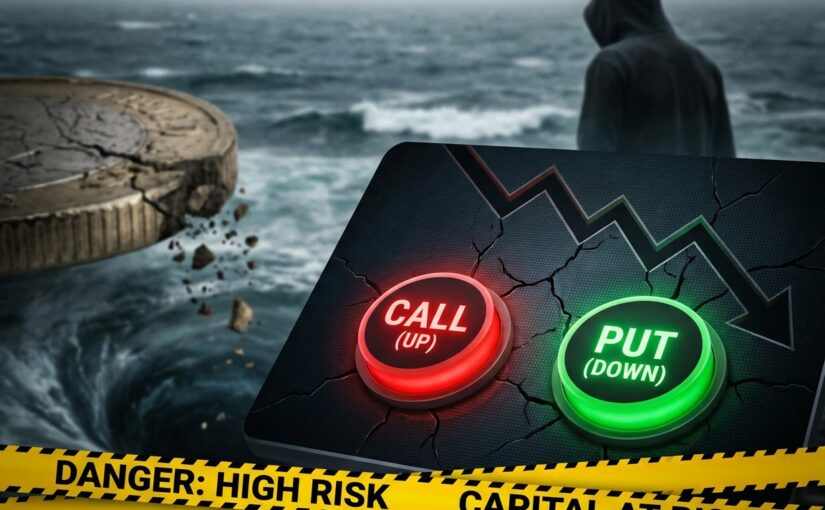
Websites such as DayTrading.com show how financial market participation itself has become international, while BrokerListings.com reflects the ability of investors to compare brokerage firms operating across multiple jurisdictions. Even specialist markets covered by BinaryOptions.net show how digital financial services now cross borders with little connection to the physical movement of goods.
These examples are not proof that online trading causes peace. They illustrate a broader point: economic interdependence now involves payments, regulation, capital, information and financial infrastructure as well as manufactured products. Disrupting economic relationships can therefore affect far more than exports at a port.
Capital Markets Can Increase The Cost Of Political Isolation
A government engaged in international finance may depend on foreign investors buying bonds, companies raising capital abroad and domestic banks maintaining relationships with overseas institutions. Political conflict can damage those channels rapidly.
Investors demand higher returns when geopolitical risk rises. Companies can face more expensive financing, while governments may need to offer higher yields on debt. Currency pressure can increase the local cost of imported goods and foreign liabilities.
This helps explain why some research treats capital-market integration as part of the commercial peace mechanism rather than focusing entirely on merchandise trade. Gartzke, Li and Boehmer found that capital interdependence had a peace-related effect in their empirical work even after accounting for trade and other factors.
The mechanism again works through incentives rather than morality. Leaders may dislike another government but still prefer not to trigger a financial shock that raises borrowing costs and damages domestic companies.
Peace Also Makes Trade Possible
The trade-peace relationship runs in both directions. Businesses dislike uncertainty, and war is uncertainty with artillery attached. Companies hesitate to build factories where borders might close, banks become cautious about lending and insurers charge more for transport through dangerous areas.
Peace therefore creates conditions in which trade can grow. The WTO’s own 2025 work acknowledges that causality can run both ways rather than assuming trade always comes first.
This creates a measurement problem. If peaceful countries trade more with each other, researchers need to determine whether commerce caused the peaceful relationship, peace made commerce easier or another factor caused both.
That is why academic studies reach different estimates and sometimes disagree about the strength of the commercial peace effect. The broad relationship has support, but determining exactly how much peace can be credited to trade is considerably harder.
Trade Does Not Guarantee Peace
The strongest criticism of the simple trade-peace argument is historical. International trade expanded substantially before 1914, yet Europe still entered the First World War. If commercial integration made war impossible, the theory should have failed on one of its biggest tests.
Research examining the pre-1914 period argues that this history does not necessarily eliminate the commercial peace thesis but does show that its effect depends on political and domestic conditions. High trade volumes cannot compensate indefinitely for security competition, nationalism, alliances and political decisions that make governments willing to bear enormous economic costs.
Modern examples create the same problem. China and Taiwan developed large economic ties while maintaining a serious political and security dispute. Academic work on cross-Strait relations has therefore treated the case as an important test of whether economic integration always translates into lower military risk.
Trade should therefore be understood as one brake on conflict, not the handbrake, foot brake and concrete wall combined.
Dependence Can Create Vulnerability As Well As Peace
Interdependence sounds symmetrical, but trade relationships are rarely perfectly balanced. One country may depend heavily on another for energy, food, advanced technology or access to a major export market, while the second country has several alternatives.
That creates vulnerability. Instead of making both sides equally reluctant to fight, asymmetric dependence can give the less dependent country political influence.
A government may threaten export restrictions, tariffs or sanctions because it knows the other economy will suffer more. Strategic dependence can therefore become a source of tension rather than cooperation.
This is especially important for essential products. Dependence on one country for medical supplies has a different political meaning from dependence on it for luxury handbags. Governments are far more likely to treat energy, food, defence technology, semiconductors and critical minerals as security issues.
Commercial peace is strongest when trade creates mutual benefits that neither side believes can be easily weaponised.
Expectations About Future Trade Matter
Current trade volumes may not tell governments everything they need to know. Leaders also care about what they expect the relationship to look like in future.
A country that depends heavily on a trading partner may remain peaceful when leaders expect trade to remain available. If they believe access will soon be cut off regardless of their behaviour, the pacifying effect can weaken.
This expectation-based argument has become an important part of research on economic interdependence and war. The AEA’s Journal of Economic Literature has discussed the debate around whether expectations of future dependence help explain when economic relationships deter conflict and when they do not.
The distinction is logical. Dependence is easier to tolerate when a supplier is trusted. If a government expects an essential resource to become unavailable in a crisis, dependence can start looking like strategic weakness.
Trade can therefore reduce conflict when future economic relations appear secure, while fear that those relations will collapse can produce pressure to become self-sufficient or act before vulnerability increases.
Trade Can Produce Domestic Losers
Trade creates aggregate gains without guaranteeing that every individual, company or region benefits. Import competition can hurt industries that previously faced little foreign competition, while workers may bear adjustment costs even if consumers elsewhere gain from lower prices.
These distributional effects can influence politics. Communities that associate international trade with factory closures or lower wages may become hostile to further economic integration. Governments can respond with tariffs, industrial subsidies or restrictions designed to protect politically important sectors.
This does not mean protectionism automatically produces war. It means the domestic politics of trade matter to the peace argument.
A trading relationship is more politically durable when enough people believe they benefit from it. If gains appear concentrated among investors and large companies while adjustment costs fall heavily on particular regions, support for interdependence can erode.
Trade policies that ignore those distributional problems may weaken the very political constituency for cooperation that commerce is supposed to create.
Strategic Trade Can Become A Weapon
Economic relationships can also be deliberately weaponised. Governments can impose sanctions, block exports, freeze assets or restrict access to technology in an attempt to change another country’s behaviour.
These tools are usually chosen as alternatives to military force, which can support the peace argument in one sense. Economic pressure gives governments another instrument between diplomatic protest and armed conflict.
Yet coercive trade policy can also intensify hostility. A country facing severe restrictions may retaliate, build alternative supply networks or conclude that dependence on foreign markets has become a national security problem.
The result can be “de-risking,” reshoring or deliberate diversification away from politically sensitive suppliers.
Trade therefore promotes peace most convincingly when economic relationships are seen as mutually beneficial and reasonably predictable. When every supply chain is treated as potential strategic leverage, interdependence can start producing suspicion instead.
Resource Trade Can Behave Differently
Not all forms of trade create the same incentives. Trade in manufactured goods produced through integrated supply chains may build relationships very differently from trade in a single strategic natural resource.
Oil, gas and minerals can create concentrated revenues that strengthen governments without requiring broad commercial integration across society. Control of valuable resources can itself become a source of political competition.
A country dependent on one foreign energy supplier may also perceive the relationship as dangerous rather than reassuring.
This is one reason broad statements such as “more trade means more peace” need qualification. The composition of trade matters, the balance of dependence matters and the institutions around it matter.
Research on different forms of trade has found that some types of commercial integration appear more closely associated with reduced conflict than others.
Economic Interdependence Works Best Alongside Institutions
Trade is more likely to support peaceful relations when it sits within a broader structure of rules, diplomacy and credible institutions. Contracts need to be enforced, disputes need procedures and governments need confidence that commercial commitments will not disappear overnight.
The post-war multilateral trading system was built partly from the belief that the economic tensions and protectionism of the interwar years should not be repeated. The WTO itself describes peace and stability as an underappreciated benefit of predictable trade rules, while stopping short of claiming commerce can eliminate conflict.
Institutionalised trade also changes how governments communicate. Regular negotiations make disagreement normal rather than exceptional. Countries can fight over tariffs metaphorically, with lawyers and spreadsheets, instead of treating every dispute as evidence that the wider relationship has failed.
This is not glamorous diplomacy. It is useful diplomacy.
Trade Gives Governments Something Concrete To Protect
Peace agreements can struggle when their benefits seem abstract. Trade provides visible benefits that governments and voters can measure: export orders, jobs, cheaper imports, tax revenue, transport links and investment.
That gives both sides something tangible that renewed conflict would destroy.
The logic can be especially powerful in border regions. A reopened crossing may allow farmers to reach customers, workers to travel and local companies to restore supply networks. The economic improvement gives communities an everyday reason to prefer continued stability.
The process can then reinforce itself. More stability supports more commerce, while more commerce increases the cost of returning to conflict.
The mechanism is not guaranteed, especially where trade benefits are distributed unfairly. Where gains are broad enough, however, commercial relationships can turn peace from an abstract diplomatic achievement into something households and businesses experience in their incomes.
The Best Case For Trade And Peace Is Modest
The strongest version of the commercial peace argument is not that trade makes war impossible. That claim is too easy to disprove.
The better claim is that trade changes incentives. It raises the economic cost of conflict, creates domestic groups that value stable foreign relations, increases the number of channels through which governments communicate and gives countries alternatives for handling disputes.
Empirical research provides support for parts of this argument, but the effects depend heavily on context. Democracy, geography, institutions, alliances, strategic rivalry and expectations about future trade all influence whether economic integration translates into political restraint.
That more cautious version is also more useful. Trade is not a peace treaty. It is part of the economic infrastructure that can make a peace treaty easier to preserve.
Final Assessment
Trade can promote peace because conflict becomes more expensive when countries depend on each other for customers, investment, jobs, finance and essential inputs. Commercial relationships also create business groups that prefer stability, encourage repeated government contact and support international rules for resolving economic disputes without force.
The effect should not be romanticised. The world before 1914 was highly connected and still went to war. Modern rivals can maintain substantial trade while preparing for military confrontation, and dependence on strategic goods can create fear as easily as cooperation.
The evidence therefore supports a conditional argument rather than a guarantee. Trade tends to make peaceful relations more valuable, but politics determines whether governments value those economic benefits enough to preserve them.
Where interdependence is balanced, rules are credible and the benefits of commerce are widely shared, trade can make hostility economically painful and cooperation materially rewarding. That does not abolish conflict. It gives countries more reasons to avoid it.